

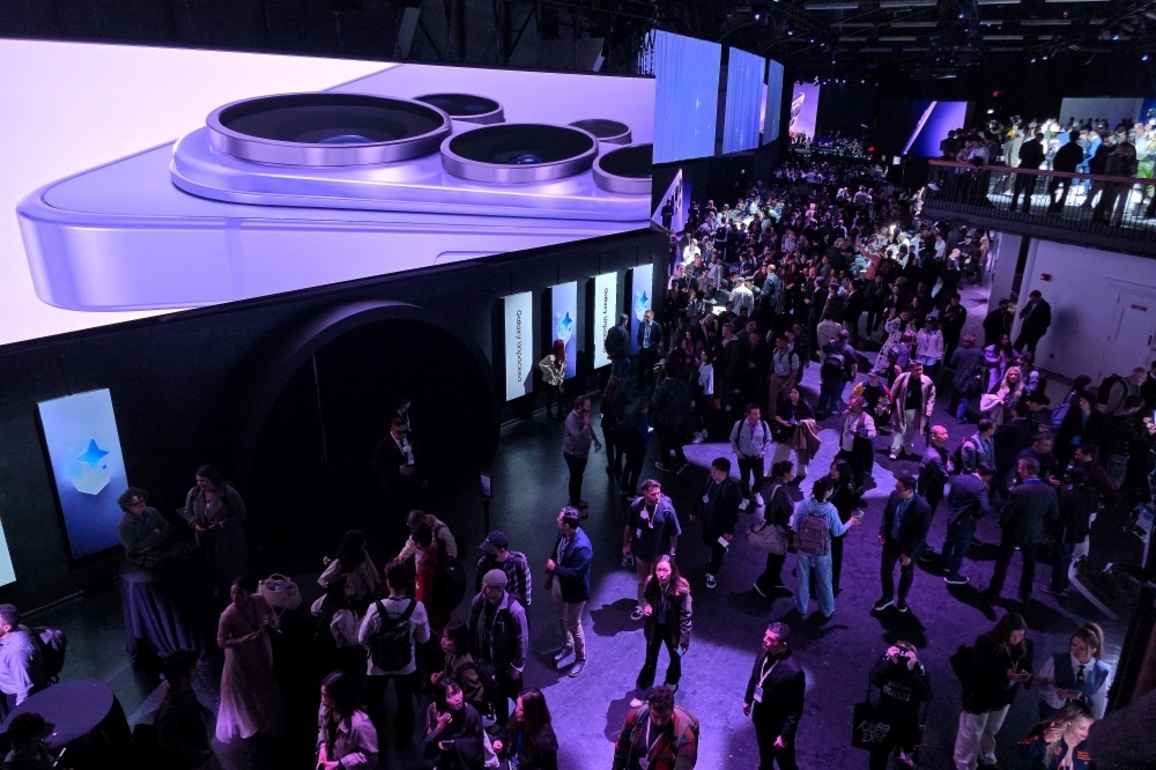
SEOUL, South Korea: Samsung Electronics unveiled its flagship Galaxy S26 smartphone lineup on February 26, raising prices for some models in the United States and South Korea amid surging memory chip costs that are squeezing margins.
The launch comes after Samsung lost its position as the world's top smartphone maker last year to Apple, which saw strong iPhone demand in China and India. The S26 series incorporates artificial intelligence features from Perplexity and Google's Gemini, along with an upgraded version of Samsung's Bixby assistant.
Last month, Samsung warned that a worsening chip shortage driven by the AI boom was intensifying cost pressures. While robust memory demand has supported its core semiconductor business, it has weighed on profitability in smartphones and displays.
Tech giants, including Meta, Google, and Microsoft, have been racing to build AI infrastructure, absorbing much of the global memory supply. That has pushed up prices, as chipmakers prioritize higher-margin data center components such as high-bandwidth memory over chips for consumer devices.
Samsung priced the base Galaxy S26 at US$899 in the United States, a 4.7 percent increase from its predecessor. The S26 Plus was set at $1,099, up 10 percent, while the S26 Ultra remained unchanged. In South Korea, the base model's price was raised by 8.6 percent.
The company has also equipped some S26 models with its in-house Exynos processors, after relying on Qualcomm's Snapdragon chips for the S25 series. Analysts said the move could bolster Samsung's chip design business and improve mobile margins.
Samsung said the S26 Ultra features what it described as the industry's first built-in mobile privacy display, designed to limit side viewing angles.
The company plans to begin rolling out the S26 series on March 11.
Market research firm TrendForce expects conventional DRAM contract prices to surge between 90 percent and 95 percent in the January-to-March period compared with the previous quarter.
Apple CEO Tim Cook said during a January earnings call that he anticipated sharp increases in memory chip prices, though he declined to say whether Apple would respond by raising prices.