

KINSHASA, Congo: Ever since Congo's President Felix Tshisekedi offered the country's rare minerals to the United States at a U.S. minerals summit last week, he has been facing growing opposition at home.
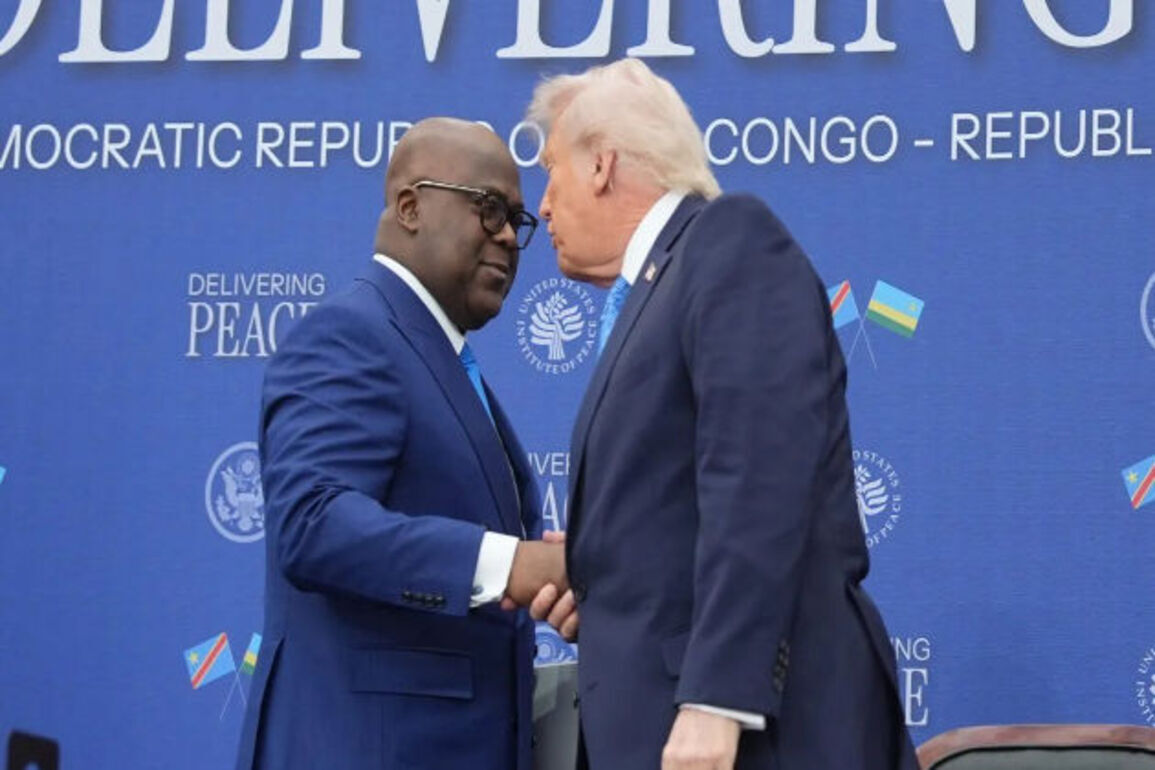
Tshisekedi was praised by President Donald Trump and other American lawmakers after he offered U.S. companies access to eastern Congo's rich minerals, most of which remain untapped and are estimated to be worth US$24 trillion. It was a bargaining chip for U.S. support to help fight off rebels and build critical infrastructure in the region where Rwanda-backed rebels seized major cities last year.
However, in Congo's capital, Kinshasa, opposition to these mineral deals is increasing among public figures and civil society leaders. Some accuse the government of selling the country's mineral wealth too cheaply. A group of lawyers and human rights activists has filed a lawsuit, saying the partnership threatens Congo's sovereignty. One of the lawyers, Jean-Marie Kalonji, said they want to protect the country's independence and resources for future generations.
Opposition leaders also worry the deal could mainly benefit President Tshisekedi. Moïse Katumbi, a leading opposition figure, questioned how the agreement could work given the security problems in the mineral-rich east and called instead for a national dialogue with investors.
The Trump administration is trying to form a minerals trading group with its allies. The aim is partly to reduce China's strong control over important minerals used in products ranging from fighter jets to smartphones. China produces nearly 70 percent of the world's rare earth minerals and processes about 90 percent of them. It is also very active in Congo's mining sector.
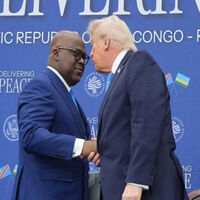
During a Critical Minerals meeting in Washington, D.C. on February 4, Congo's President Félix Tshisekedi led a delegation to meet senior U.S. officials and members of Congress. These talks built on a strategic partnership agreement that the two countries signed in December.
Tshisekedi told the U.S. Chamber of Commerce last week, "We are open for business and serious about doing business the right way."
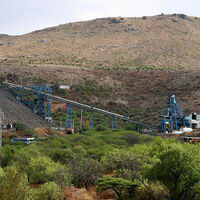
The U.S. State Department said discussions focused on a list of Congo's key mineral assets, which could help identify investment opportunities for American companies. Under the partnership, the U.S. aims to secure supplies of important minerals such as cobalt, copper, lithium, and coltan, while Congo hopes to receive U.S. support to build infrastructure.
However, many people in Congo say they have not yet seen signs that U.S. involvement will bring peace and stability, especially in the eastern region where Rwanda-backed M23 rebels captured territory a year ago. The rebels control large mineral-rich areas, including the Rubaya coltan mine, which produces about 15 percent of the world's coltan. Recently, at least 200 miners died there after part of the mine collapsed.
American companies have often avoided Congo because of insecurity and corruption, leaving space for Chinese companies to dominate the sector. A researcher at Belgium's Ghent University, Josaphat Musamba, said competition between China and the United States over Congo's minerals will likely grow stronger.