

BEIJING, China: China's Lunar New Year shopping and travel rush is once again becoming a high-stakes battleground for tech giants, with Alibaba committing hundreds of millions of dollars to win users for its artificial intelligence chatbot.
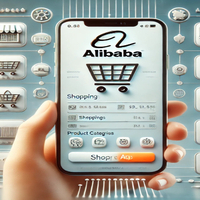
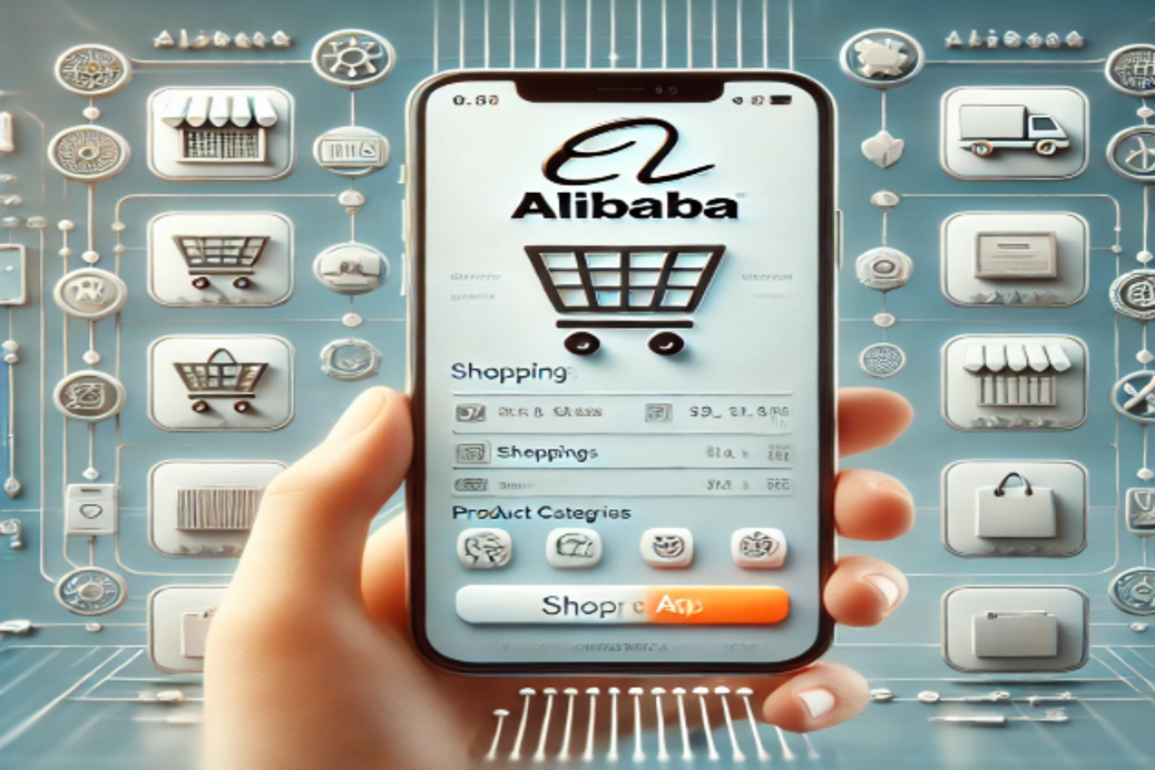
Alibaba said it will spend three billion yuan (US$431 million) to promote its Qwen AI app during the holiday period, sharply escalating competition with rivals as China's leading technology firms vie for dominance in consumer-facing AI.
The campaign, which begins on February 6, will include incentives tied to dining, drinks, entertainment, and leisure, with "large red envelopes distributed continuously," Alibaba said in a statement.
The scale of Alibaba's push far exceeds those announced by competitors late last month. Tencent said it would spend one billion yuan to promote its AI chatbot, while Baidu pledged 500 million yuan for similar incentives.
Chinese technology companies have long used the Lunar New Year, when hundreds of millions of people travel home and spend time with family, as a crucial marketing window to attract new users and drive engagement.
A landmark example came in 2015, when Tencent distributed digital red envelopes through its WeChat messaging app, a move that helped its WeChat Pay service gain ground against Alibaba's Alipay, then the dominant force in China's mobile payments market.
This year's public holiday begins on February 15 and runs for nine days, making it longer than in most previous years and offering an extended opportunity for companies to lure users with promotions.
Tencent's New Year campaign, which starts on February 8, focuses on its Yuanbao chatbot app. Users must upgrade to the latest version to receive digital red envelopes, which can be withdrawn into their WeChat wallets. Users can also earn cash rewards by sharing links that others redeem.
Alibaba did not specify whether its red envelopes would be distributed as cash or as discount coupons redeemable on its platforms, including its flagship e-commerce site Taobao.
The intensifying competition reflects a broader acceleration in China's AI sector following the launch of DeepSeek's R1 model in January last year, which rattled global markets and triggered faster adoption and fiercer rivalry among domestic players.
Several Chinese AI firms have been rolling out upgrades ahead of the holiday period to capitalise on heightened consumer attention. DeepSeek is expected to launch its next-generation AI model, V4, in mid-February, according to a report by The Information. The model is expected to feature strong coding capabilities.
As AI chatbots increasingly compete for everyday consumer use, from shopping assistance to entertainment and productivity, the Lunar New Year has emerged as a critical proving ground for which platforms can scale fastest and capture long-term user loyalty.